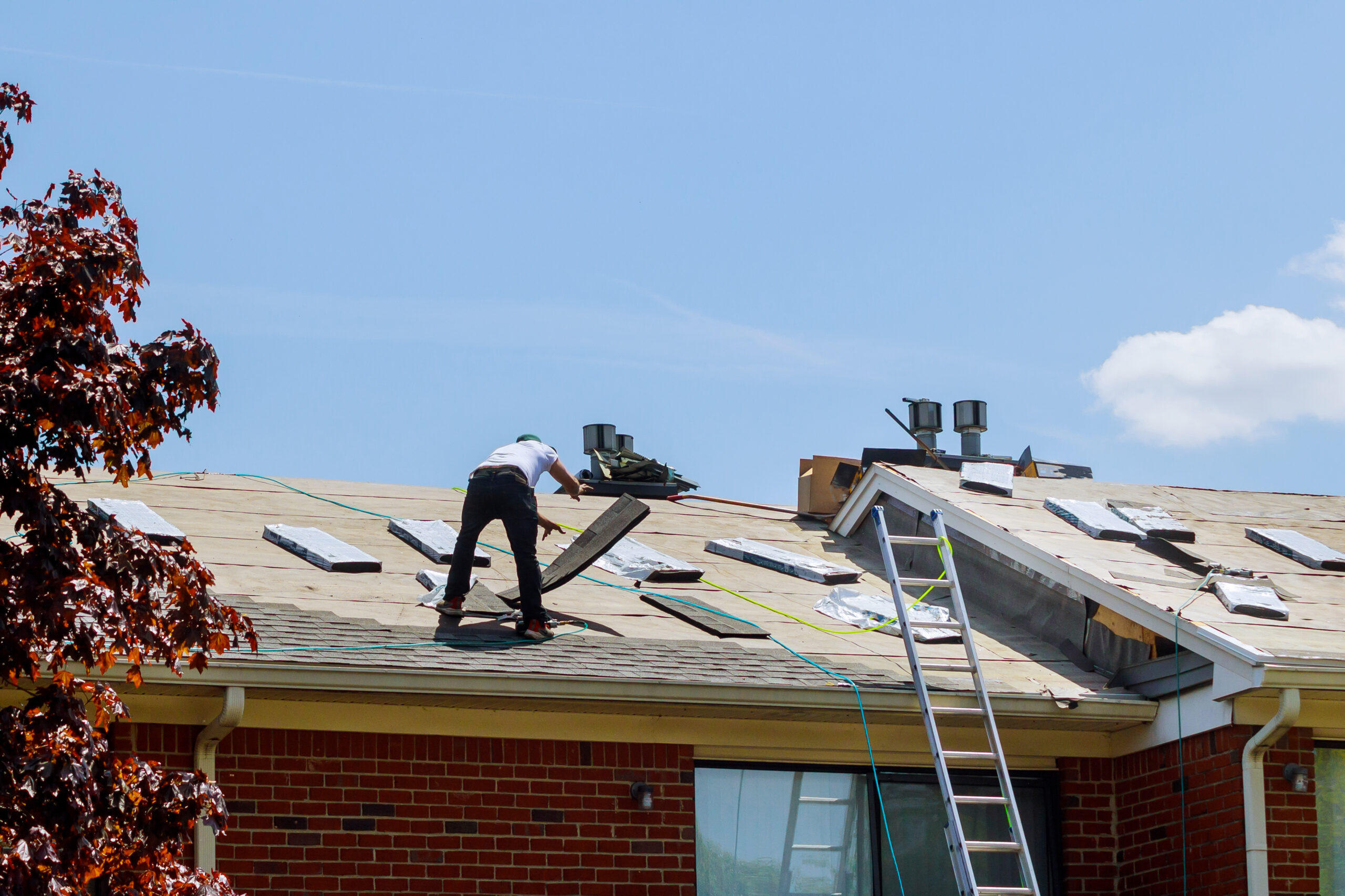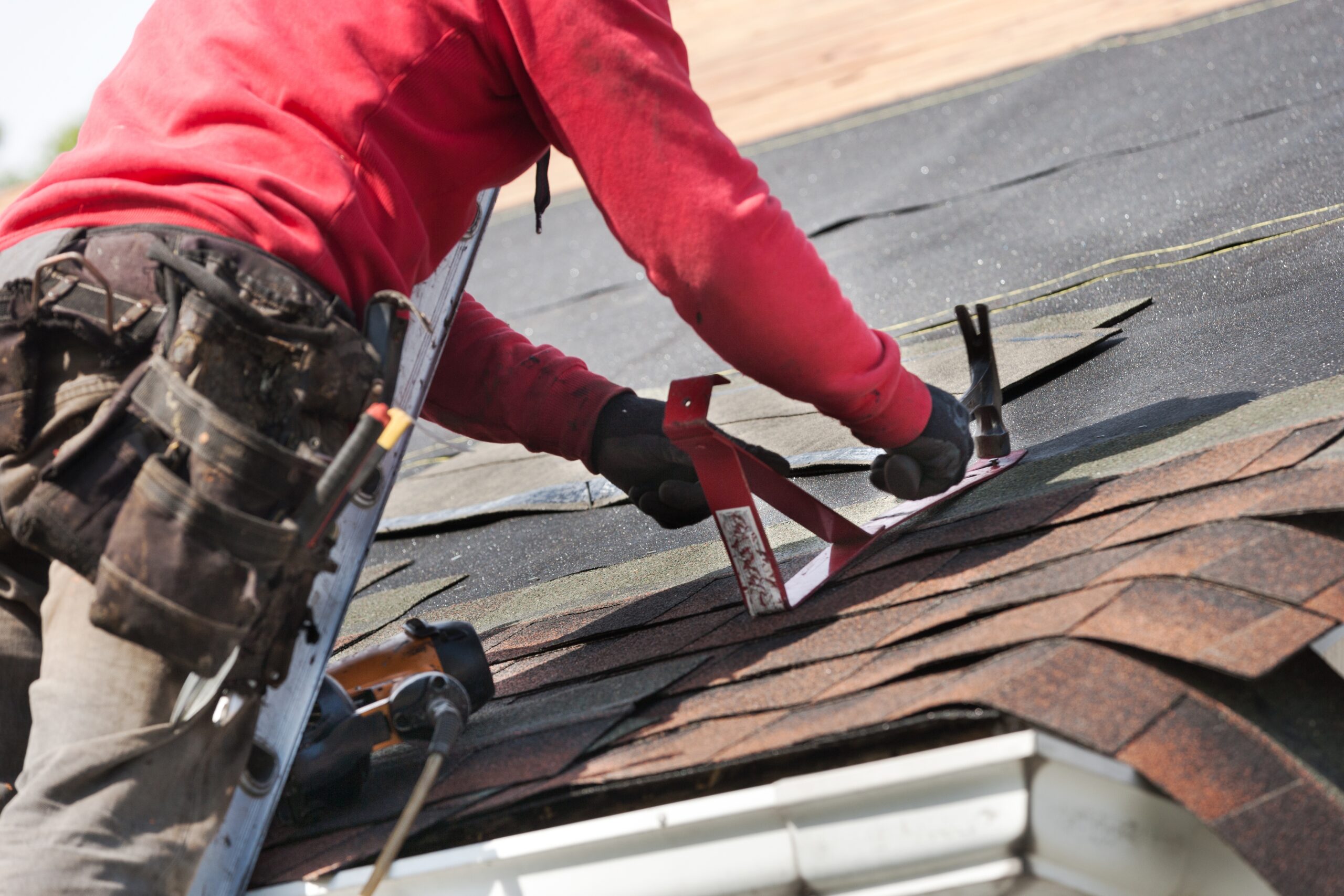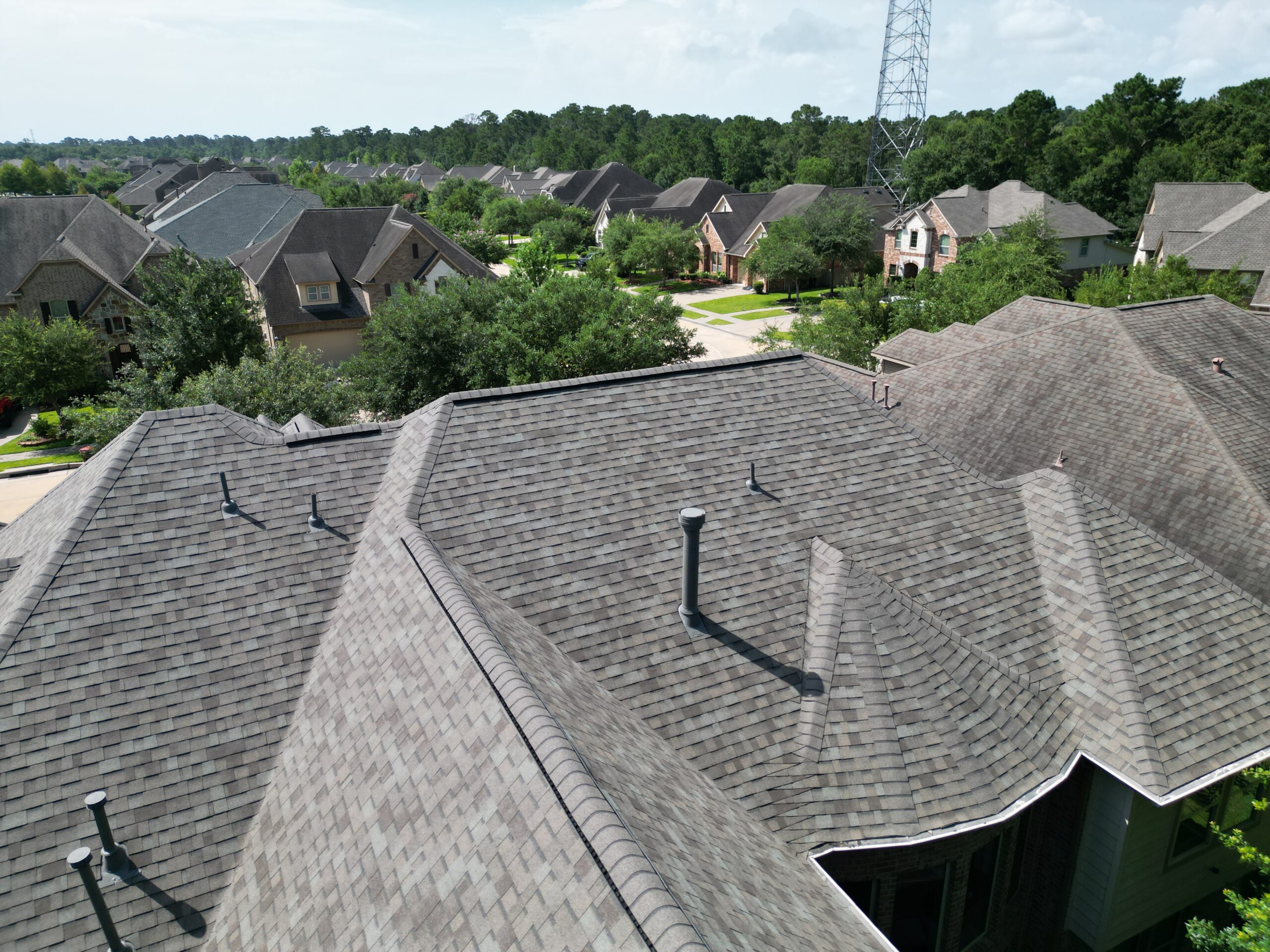
“How much longer do I have?” is one of the most common questions we get from homeowners in The Woodlands, Conroe, and the surrounding area. The honest answer: it depends less on your roof’s age and more on how Texas has treated it. Between UV exposure, humidity, and hail, our climate is tougher on roofing materials than most of the country — which means the manufacturer’s lifespan estimate on the shingle bag isn’t always the number that matters.
Here’s a more useful way to think about it.
Typical Lifespans — and Why They Shrink in Texas
| Material | National Average Lifespan | Typical Texas Lifespan |
| 3-tab asphalt shingles | 20–25 years | 15–18 years |
| Architectural (dimensional) shingles | 25–30 years | 20–25 years |
| Metal roofing | 40–70 years | 40–60 years |
| Tile roofing | 50+ years | 40–50 years |
The gap comes down to a few Texas-specific stressors:
- UV exposure: Intense sun breaks down asphalt oils faster, making shingles brittle sooner.
- Heat cycling: Roofs here go through extreme daily temperature swings, especially in summer, which causes materials to expand and contract repeatedly — accelerating wear.
- Hail and severe wind: Even when a storm doesn’t cause an insurance-worthy event, repeated minor hail exposure adds up over the life of a roof.
- Humidity: Moisture that gets trapped under damaged shingles doesn’t dry out quickly in our climate, which speeds up decking damage once a leak starts.
So How Do You Know If It’s Time to Repair or Replace?
Repair usually makes sense when:
- The damage is isolated to a small area (a section of shingles, one flashing point, a single leak)
- The roof is under 15 years old and otherwise in good condition
- There’s no widespread granule loss or curling across the roof
- The decking underneath is still sound
Replacement usually makes more sense when:
- The roof is nearing or past its expected Texas lifespan
- Damage is spread across multiple areas rather than isolated
- You’ve had more than one or two leaks in recent years
- A recent storm caused damage extensive enough that insurance is covering a full replacement anyway
- You’re noticing rising energy bills tied to failing insulation or ventilation
A good rule of thumb: if a repair would cost more than 30–40% of a full replacement, or if the roof is old enough that another storm is likely to cause a second round of damage soon, replacement is usually the better long-term value — even though it’s the bigger number up front.
What a Replacement Actually Buys You
Beyond just stopping leaks, a full roof replacement in our climate typically means:
- Modern shingles engineered for higher wind and impact ratings
- Updated ventilation, which helps your AC work less hard through the summer
- A fresh warranty, often 25–30 years depending on material
- Better resale value — roof age is one of the first things buyers and inspectors flag
Not Sure Which Camp You’re In? That’s What Inspections Are For
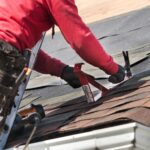
Most homeowners can’t tell the difference between “this needs a patch” and “this needs a new roof” from the ground — and honestly, neither can most roofers without actually getting up there. That’s why we start every conversation with an inspection, not a sales pitch.
Fortress Roofing has helped homeowners across The Woodlands, Conroe, Magnolia, Spring, Tomball, and Cypress make this call for years, and we’ll always tell you honestly when a repair is enough — we don’t push replacements that aren’t needed.
Not sure where your roof stands? Request a free inspection and we’ll give you a clear, honest answer.